 How-to
Can You Sell an Inherited House Without Repairs?
Last Updated: November 9, 2026
Quick Summary
Yes, you can sell an inherited house without repairs, but only after the estate has legal authority to transfer the home. Sellers typically confirm title, get heirs to agree, and compare net proceeds from an as-is sale against repairing first. A cash sale can close within weeks once title is clear.
- Only the court-appointed personal representative or administrator can sign the sale documents.
- Selling as-is skips repair costs but can lower the sale price, so compare net proceeds before deciding.
- As-is does not eliminate disclosure duties; known material defects usually must still be disclosed in writing.
- Inherited property often gets a stepped-up basis, so capital gains are usually limited to growth after the date of death.
- A verbal cash offer is not binding; get proof of funds and a written purchase agreement reviewed by an attorney.
Table of Contents
- Start With Legal Authority and Clear Title
- Sell Inherited House As-Is or Repair It First
- Estimating Net Proceeds: A Decision Framework
- How Is Inherited Property Taxed When Sold?
- Choosing Between Selling Through an Agent or to a Cash Buyer
- How Long Does It Take to Sell an Inherited House As-Is?
- Your Next Step: Getting a Written Offer on the Inherited Home
- Frequently Asked Questions
Start With Legal Authority and Clear Title
Before you list an inherited house, you need the legal right to sell it. Without clear title, no serious cash buyer or agent can close the deal. The first step is always the same: confirm who owns the property on paper.

Here is the short answer. For the full walkthrough of every stage of the sale, see the step-by-step guide to selling inherited property.
Common title checkpoints include:
- A certified copy of the death certificate
- The will, or proof that no will exists
- Letters of administration or letters testamentary from the probate court
- A recorded deed showing the decedent as owner
- Any liens, mortgages, or unpaid property taxes on the home
Probate and the personal representative
If the owner died with a will, the court usually names a personal representative (sometimes called an executor). That person has the authority to sell property during probate.
Watch out: a sibling or friend who simply lives in the house cannot sell it alone. Only the appointed representative can sign the sale documents.
Probate can take months, so plan your timeline around it. Ask the attorney handling the estate how long the court is expected to take before you list the home.
Getting agreement among heirs or co-owners
When several people inherit a house, all of them usually have to agree before a sale. A single co-owner who refuses to sign can stall the entire process.
Common ways families handle this:
- Vote and sign a written agreement to sell
- Have one heir buy out the others at a fair value
- Sell the property and split the net proceeds
- Hire a mediator when relatives disagree
Families often move faster once they agree on a price floor. Put the agreement in writing before you talk to any buyer.
Sell Inherited House As-Is or Repair It First
This is the central decision. You can spend money fixing the home, or you can sell it in its current condition. Both paths can work, and the right choice depends on the money, the timeline, and how much the house needs.
Start with a condition assessment, not a guess
Before comparing dollars, get a realistic picture of what the home actually needs. Walk the property with a licensed home inspector or a contractor who can produce a written scope of work. Focus on the items that affect whether a traditional buyer can get a mortgage:
- Roof age and condition
- Electrical panel and wiring
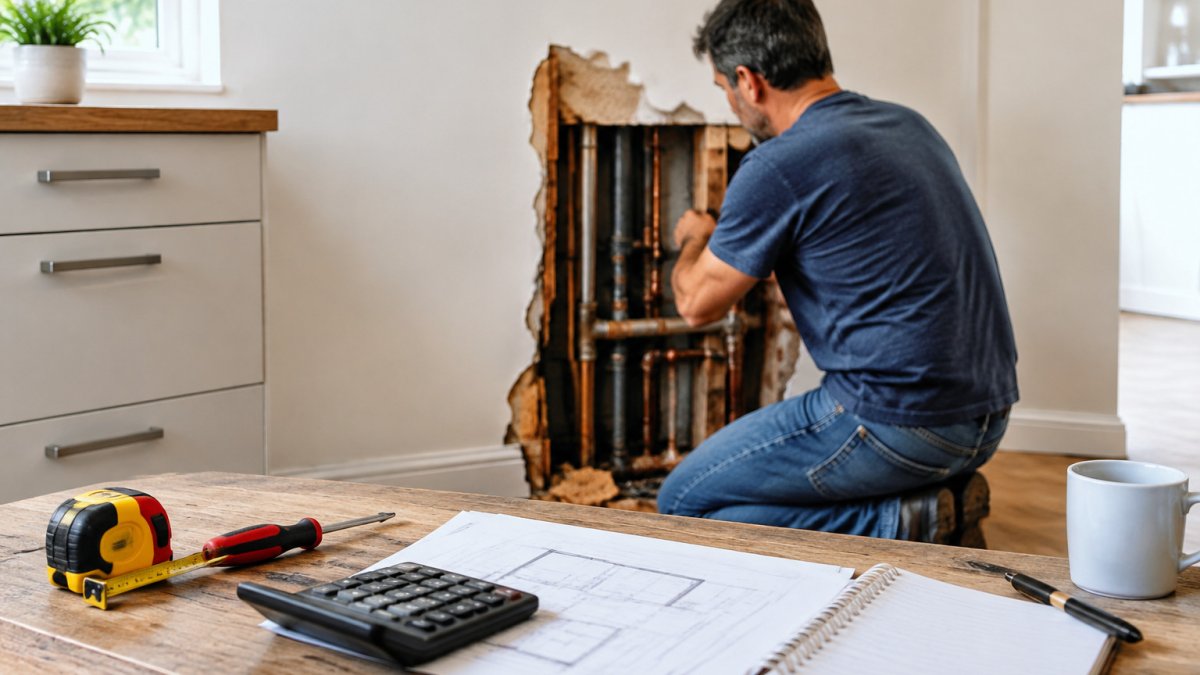
- Plumbing and water heater
- HVAC age and function
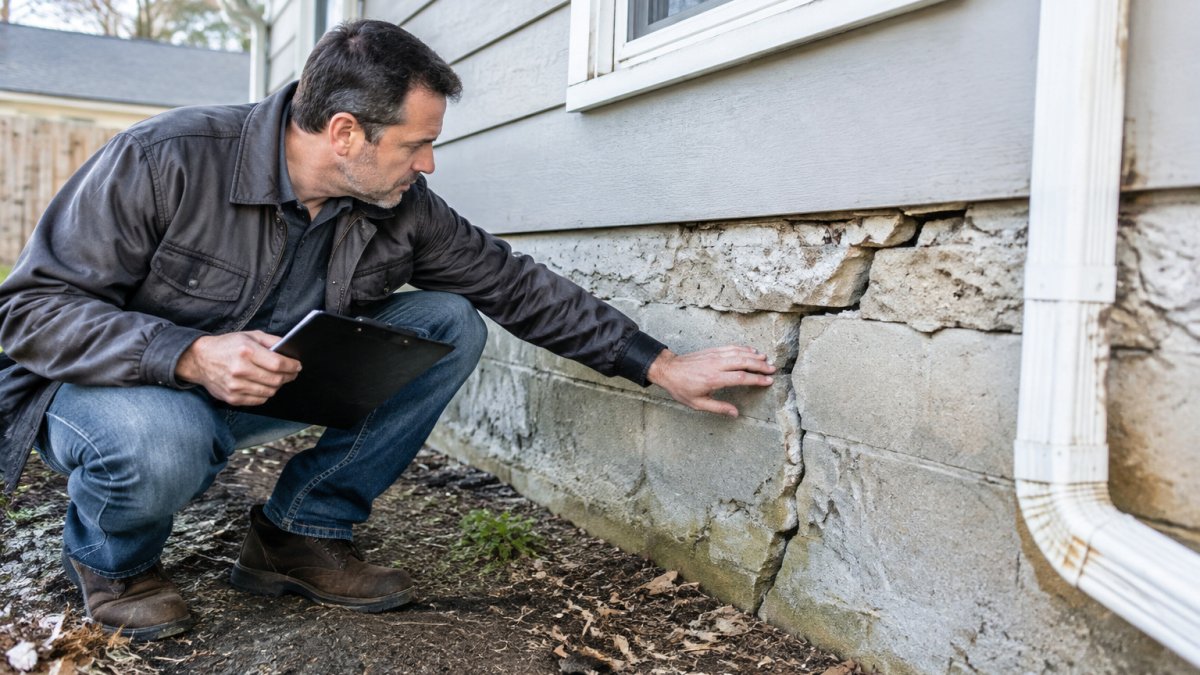
- Foundation and structural issues
- Safety items such as handrails, smoke detectors, and egress
Cosmetic items, paint, flooring, landscaping, affect price but rarely block a financed sale. Structural, mechanical, and safety items are the ones that drive repair budgets and lender requirements.
Pros and cons of selling as-is
Selling as-is means you skip the repair bills and the waiting. The buyer takes the home with its problems.
Pros:
- No repair costs or contractor scheduling
- Faster path to closing
- Less time spent cleaning and staging
- Fewer showings and open houses to manage
- Carrying costs stop sooner
Cons:
- Lower sale price than a fully repaired home
- Buyers may ask for a deeper discount to cover risk
- Some traditional buyers and lenders avoid major-repair homes
- As-is does not eliminate disclosure duties in most states
Pros and cons of repairing before sale
Repairs can raise the sale price, but they also add risk. You can spend money and still not recover it.
Pros:
- Higher potential sale price
- Attracts traditional buyers using mortgages
- Fewer surprises during the home inspection
- May broaden the buyer pool and shorten time on market
Cons:
- Upfront cost that may not be recovered
- Months of delay
- Repairs can uncover new problems that cost more
- The estate may need court approval before spending estate funds on repairs
Estimating repair costs against potential sale price
A useful rule: if the repairs cost more than the value they add, selling as-is usually comes out ahead. To apply it, get written estimates from licensed contractors for each major item, then compare two numbers:
- Expected as-is sale price: What a cash buyer or an as-is listing would realistically bring in current condition.
- Expected repaired sale price minus repair costs: The likely retail price after repairs, minus the contractor estimates, minus the carrying costs during the repair period.
A common pattern is that cosmetic repairs return more than their cost, while major mechanical or structural repairs often return less than a dollar-for-dollar recovery, especially when the estate is paying taxes, insurance, and utilities during the work. Your own numbers will differ, so get the estimates in writing before committing estate funds.
Disclosure obligations when selling as-is
"As-is" describes the condition of the property, not a waiver of the seller's legal duties. Most states require sellers to disclose known material defects, and some require a specific disclosure form.
Watch out: failing to disclose a known defect, a prior flood, a foundation repair, a pest infestation, can expose the estate to liability after closing, even in an as-is sale. When in doubt, disclose in writing.
Estimating Net Proceeds: A Decision Framework
The best way to compare options is to calculate what you will actually keep. Use this simple framework.
Net proceeds = Sale price − Repair costs − Selling costs − Carrying costs − Payoff of any liens
Work through each number:
- Sale price: Use a realistic offer, not the best-case listing price.
- Repair costs: Get written estimates from licensed contractors.
- Selling costs: Agent commissions, title fees, and closing costs if you list traditionally.
- Carrying costs: Property taxes, insurance, utilities, and maintenance while you wait.
- Liens and payoffs: Mortgages, tax liens, or judgments attached to the property.
Example comparison (illustrative numbers only):
- Repaired and listed: $180,000 sale price, minus $25,000 repairs, minus $12,000 in agent and closing costs, minus $6,000 in carrying costs = $137,000 net
- Sold as-is: $145,000 cash offer, minus $2,000 closing costs, minus $2,000 carrying costs = $141,000 net
In this example, the as-is sale leaves more money in your pocket and closes months sooner. Your own numbers will differ, so run them before you decide.
How Is Inherited Property Taxed When Sold?
Inherited property often receives a "stepped-up basis" at the date of death (Gifts & inheritances). That means your tax basis usually equals the home's fair market value on that date, not what the original owner paid. If you sell soon after inheriting, the taxable gain is often small or zero. IRS guidance on inherited property basis
Key points:
- Capital gains tax applies only to growth after the date of death.
- Holding the property for a long time can increase taxable gain.
- Estate and inheritance tax rules depend on the estate's size and state law.
Talk with a tax professional before you sign, because your situation may differ.
Choosing Between Selling Through an Agent or to a Cash Buyer
Two common routes are a traditional listing through a real estate agent or a direct sale to a cash buyer. If you want to understand how a sale without agent involvement works, see the guide to selling a house without realtor fees. The right choice usually comes down to three variables: how much the home needs in repairs, how fast the estate needs to close, and how much price risk the heirs can tolerate.
Selling through a real estate agent
A traditional listing typically produces the highest gross sale price in a stable or rising market, because the home is exposed to owner-occupant buyers who can use mortgage financing. That higher headline price comes with real costs and friction:
- Commission and closing costs: Agent commissions are negotiable and vary by market and price point; title insurance, escrow fees, transfer taxes, and recording fees also reduce net proceeds. Ask each agent for a written net-sheet, not just a list price.
- Repair and concession pressure: Mortgage lenders and appraisers often require certain repairs (roof, electrical, plumbing, safety items) before a loan can close. Buyers may also request credits for inspection findings.
- Timeline: Marketing, showings, offer negotiation, inspection, appraisal, and loan underwriting commonly stretch a listing to 60 to 90 days or more after the home is listed, before probate delays are added.
- Carrying costs during the listing: Taxes, insurance, utilities, and maintenance continue while the home sits on the market.
A listing makes the most sense when the home is in financeable condition, the estate can wait, and the heirs want to capture retail value.
Selling to a cash buyer
A direct cash sale trades some price for speed and certainty. To see how to find cash home buyers in Birmingham, AL and compare their offers locally, check that guide.
Before accepting any cash offer, run a due-diligence checklist:
- Proof of funds: Ask for a current bank statement or letter from the buyer's lender or financial institution showing the funds are available, not just a pre-approval.
- Assignment clause: Confirm whether the buyer intends to assign the contract to another party. An assignment can add a middle layer and change the closing timeline.
- Inspection period and cancellation rights: Understand how long the buyer has to inspect and under what conditions they can cancel or renegotiate.
- Fees and credits: Ask for an itemized list of any fees the buyer intends to charge at closing, and confirm who pays title, escrow, and recording costs.
- Closing certainty and date: Get a specific target closing date in writing and confirm the buyer has closed similar transactions recently.
- Comparable offers: Solicit at least two written offers so you can compare net proceeds, not just gross price.
Watch out: a verbal offer or a letter of intent is not a binding contract. Do not remove the home from the market or sign anything until the terms, fees, and closing date are in a written purchase agreement reviewed by the estate's attorney.
A practical way to compare the two routes
Build a side-by-side net sheet for each option using the same inputs: expected sale price, repair and concession costs, agent and closing costs, carrying costs for the expected days on market, and payoff of any liens. The route with the higher net proceeds is not automatically the better choice, weigh it against the estate's timeline, the heirs' tolerance for uncertainty, and the risk that repairs uncover larger problems.
How Long Does It Take to Sell an Inherited House As-Is?
A cash sale can sometimes close in a few weeks once the title is clear. Most of the delay comes from probate and paperwork, not the sale itself. If the estate still needs court approval, add that time first.
A rough timeline:
- Probate and title clearing: weeks to months
- Offer and contract: days to a week
- Closing: often 2 to 4 weeks after contract
Your Next Step: Getting a Written Offer on the Inherited Home
Start by confirming who has legal authority to sell, then gather the basic numbers: estimated sale value, repair estimates, and any debts on the property. With those in hand, you can decide whether to sell as-is or repair first.
If you want to see what a direct sale would look like for your inherited home, Reka Buys Houses can prepare a written offer based on the property's current condition. Reka Buys Houses buys houses in any condition, with no repairs needed and no agent commissions. Get your offer and find out what your numbers look like before you commit to any path.
Frequently Asked Questions
Can you sell an inherited house as-is without making repairs?
Yes, in most cases you can sell an inherited house as-is, provided you have legal authority to sell it. That usually means letters testamentary or letters of administration from the probate court, or a deed transfer if the property passed outside probate. Buyers who purchase as-is accept the home's condition, so you disclose known defects as your state requires, but you do not have to pay for repairs. Expect the offer to reflect the repair work the buyer must absorb, so compare that figure against your estimated repair costs and carrying costs before deciding.
Do all heirs have to agree to sell an inherited house?
Generally, yes. When a house is held by several heirs as co-owners, most buyers and title companies require every owner to sign the sale documents, or an authorized personal representative to act for the estate. If one heir refuses, the options include negotiating a buyout where the others purchase that share, or asking a court to order a partition sale. Getting written agreement on price, timeline and who covers carrying costs early prevents delays at closing.
How long does it take to sell an inherited house as-is?
The timeline depends mostly on how fast legal authority and title are settled. If probate is open, the sale often cannot close until the court issues authority to sell, which can take several months. Once title is clear, a cash sale can sometimes close in a few weeks, while a traditional listing with a buyer's mortgage typically takes longer. Ask any buyer for a closing timeline in writing and confirm what documents you need to provide to meet it.
Is it better to sell an inherited house as-is or renovate it first?
It depends on the gap between repair costs and the value gain. Start by estimating the sale price in each scenario, subtract repair costs, closing costs, commissions if you list with an agent, months of property taxes and insurance, and any mortgage payoff. Then compare the resulting net proceeds. Renovating usually makes sense only when the work is modest and the sale price rises by more than it costs. For major structural or system problems, as-is sales often leave more money in your pocket after carrying costs.