
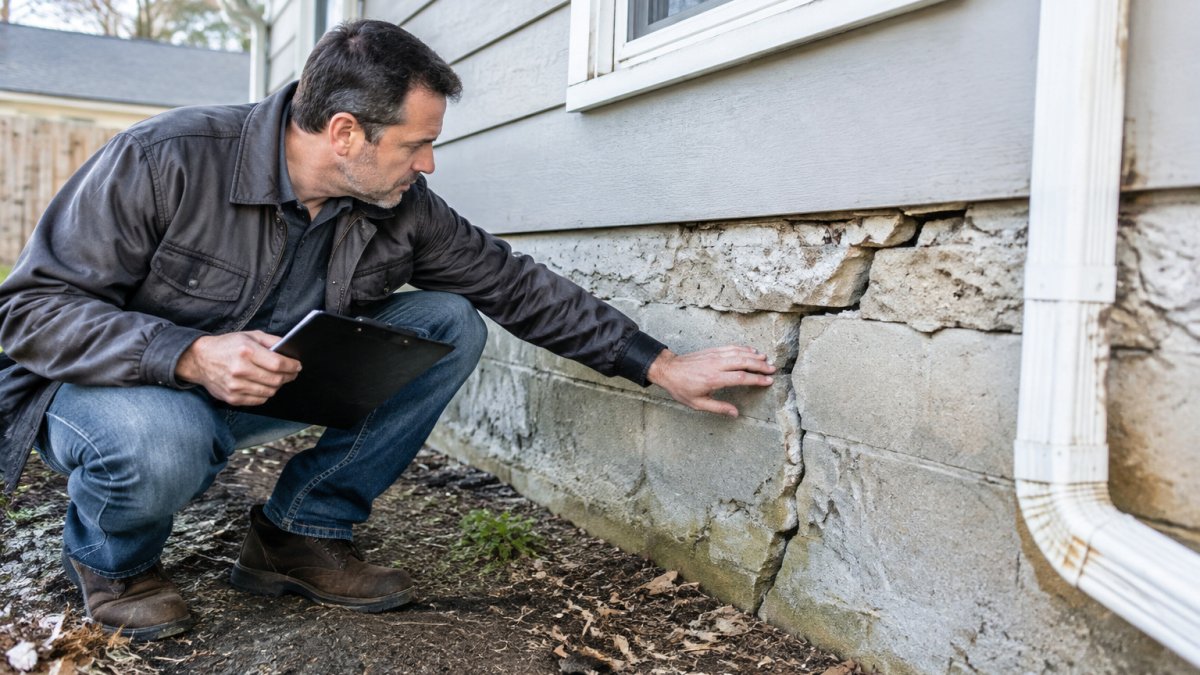
 How-to
Can You Sell a House With Structural Issues? A Practical Guide
Last Updated: November 18, 2026
Quick Summary
Yes, you can sell a house with structural issues, either through an agent, directly to a buyer, or as-is. The price, buyer pool, and disclosure duties change, so document the damage with an engineer's report and disclose known defects in writing before closing.
- Get a written assessment from a licensed structural engineer, since their report carries more weight with buyers and lenders.
- Compare repair costs against the value gap to decide whether to repair before selling or sell as-is.
- As-is sales still require disclosing known defects, and buyers may argue later if defects were concealed.
- Lenders often refuse to finance homes with serious structural damage, which makes cash buyers common.
- Fix safety hazards such as exposed wiring, unstable stairs, or active leaks before listing.
Table of Contents
- Identifying the Structural Problems in Your Home
- Disclosing Structural Defects to Buyers Under U.S. Rules
- Repair Before Selling or Sell As-Is: A Decision Framework
- Selling a House as-is With Structural Problems
- How to Get a Cash Offer for a Damaged Home
- Preparing Your Structurally Damaged Home for Sale Checklist
- Your Next Step: Requesting a Cash Offer on Your Home
- Frequently Asked Questions
Homeowners in Birmingham, Alabama, often ask whether a house with cracked foundations or sagging floors can still be sold. The short answer is yes. Plenty of homes with structural problems change hands every year, whether the seller is working with an agent, selling directly to a buyer, or selling as-is. At Reka Buys Houses, we help owners in these situations understand their options before they make a decision.
The real question is not whether you can sell, but how. Structural issues change the price, the buyer pool, and what you must disclose. Knowing those trade-offs up front helps you avoid surprises at closing.
Identifying the Structural Problems in Your Home
Before you can sell, you need to know what you are dealing with. Structural problems range from minor settling to serious damage that threatens the building's safety.
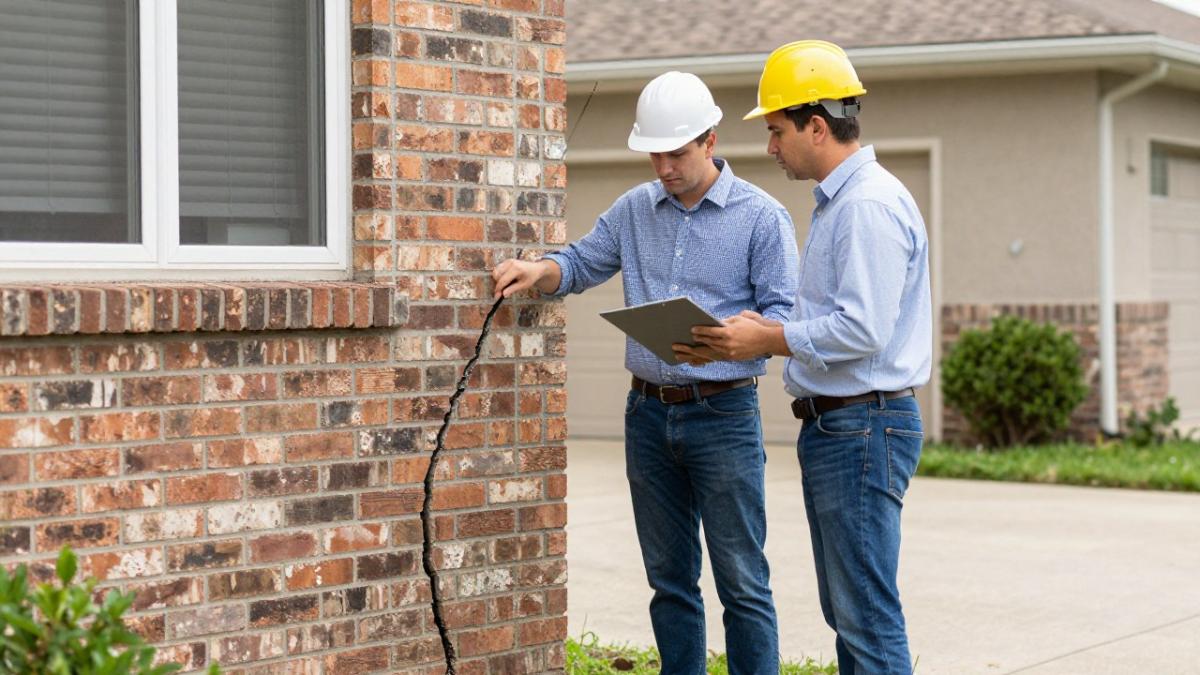
Common foundation and structural warning signs
Look for these signs throughout the home:
- Diagonal or stair-step cracks in brick or block walls
- Doors and windows that stick or no longer close properly
- Sloping or bouncy floors
- Gaps between walls and ceilings or floors
- Water pooling near the foundation or in the basement
Some cracks are cosmetic. Others point to movement that needs professional attention. Take photos and dates of anything you notice, since this record helps later with disclosure and pricing.
Getting an engineer's assessment and inspection report
A licensed structural engineer can tell you what is causing the damage and how serious it is. A general home inspector can flag problems, but an engineer's written report typically carries more weight with buyers, lenders, and repair contractors. Ask for a written estimate of repair costs, since that number will shape your sale decision. Keep the report with your sale paperwork.
Disclosing Structural Defects to Buyers Under U.S. Rules
Disclosure is the part of a structural-issue sale that most often turns into a legal problem, and it is also the part sellers most often handle with a single sentence. The rules are set largely at the state level, and they generally turn on what you knew, when you knew it, and whether you said it clearly. Treat disclosure as a documentation project, not a checkbox.
What counts as a known defect
Most state disclosure regimes distinguish between defects you know about and defects a buyer could reasonably discover. A crack you have photographed, a floor you know slopes, a basement that floods after heavy rain, and an engineer's report you commissioned are all known to you. Once you have that knowledge, failing to pass it on accurately can expose you to claims after closing even in an as-is sale. The safe rule: if you have a document about it, disclose it and attach the document.
Build a disclosure package
A clean package does three things: it tells the buyer what you know, it shows your evidence, and it records what you did about it. Assemble:
- The structural engineer's written report, including the date and the engineer's license information.
- Contractor bids and any completed repair invoices, with permits where required.
- Dated photographs and notes showing the progression of any movement or water intrusion.
- A written summary of known defects in plain language, cross-referenced to the report.
- Any warranties or transferable guarantees on prior repairs.
- Records of insurance claims or denials related to the structure.
Hand this package to buyers early, ideally before they make an offer. It shortens negotiation, reduces the chance of a late-stage price cut, and creates a written record that you disclosed.
How disclosure interacts with an as-is sale
As-is means you are not promising to repair; it does not mean you are silent. A well-documented as-is sale prices the defect into the offer and attaches the evidence. A poorly documented one invites a buyer to argue after closing that the defect was concealed. The difference is usually the package, not the price.
Verify the local requirements
Disclosure forms, timing, and the definition of a material defect vary by state, and some states require a specific form or a specific deadline (Consumer Guide: Seller Disclosures). Before you list or sign, confirm the current requirements with the state real estate commission or a real estate attorney licensed in that state, and confirm whether your agent's brokerage has its own disclosure addenda. Keep a copy of the completed disclosure and the date it was delivered.
Watch out: an oral disclosure to a buyer's agent is hard to prove later. Put every known defect in writing and keep a dated copy.
Repair Before Selling or Sell As-Is: A Decision Framework
Most sellers facing structural problems are choosing between two paths: fix the damage before listing, or sell in current condition and let the buyer absorb the repairs. The right answer depends less on the damage itself than on four variables: the size of the repair bill relative to the value gap it creates, how much time you have, how you will finance the work, and what your lender or insurer will require. Work through them in order.
Step 1: Get a repair number you can defend
Ask a licensed structural engineer for a written scope of work, then get at least two contractor bids against that scope. Separate the estimate into three buckets: (a) urgent stabilization and safety items, (b) items a lender or insurer will flag, and (c) cosmetic or optional work. A single lump-sum number hides the fact that only the first two buckets usually affect whether a deal closes. Keep the engineer's report and every bid, they become negotiating documents later.
Step 2: Estimate the value gap
A common pattern is that buyers discount a home with unresolved structural issues by more than the repair cost, because they are pricing uncertainty and their own carrying costs. Ask a local agent for two comparative market analyses: one assuming the repairs are complete, and one reflecting the home as-is with the defect disclosed. The difference between those two numbers is your value gap. If the gap is larger than the repair bill plus holding costs, repairing usually wins on net proceeds.
Step 3: Run the worked comparison
Use a simple side-by-side on a single sheet. For the repair path, add the engineer's fee, contractor bids, permits, any temporary housing or carrying costs during the work, and the agent commission on the higher sale price. For the as-is path, add zero repair cost but subtract the larger discount buyers will demand and any concessions you offer at inspection. Compare the two net figures, not the two gross sale prices. A worked example makes the trade-off concrete: if repairs cost $18,000 and lift the sale price by $30,000, repairing nets roughly $12,000 more before carrying costs, but only if the work finishes on schedule and the market holds.
Step 4: Check financing and insurance before you commit
This is where many plans break. A conventional or FHA buyer may not be able to close on a home with an unresolved structural defect, and some loan programs require specific repairs before appraisal. Insurance underwriters may also decline or surcharge a property with active foundation movement. If your buyer pool depends on financed offers, the repair path is often the only way to reach them. If you need cash offers, the as-is path keeps the pool open. Confirm with a loan officer and an insurance agent which repairs are mandatory for the buyer profile you expect.
Step 5: Match the path to your circumstances
Repair first when the fix is affordable, the damage is well understood, you have time to manage contractors, and you want access to financed buyers. Sell as-is when the repair bill is large relative to the value gap, you need to close on a fixed timeline, you cannot fund the work, or the property has other issues that would complicate a renovation. A hybrid is common: complete only the urgent stabilization and lender-required items, disclose the rest, and price accordingly.
Watch out: a contractor's verbal estimate is not a bid. Without a written scope tied to the engineer's report, the repair path can quietly cost more than the as-is discount you were trying to avoid.
A quick decision checklist
- Repair bill is small and the value gap is large: repair.
- Repair bill exceeds the value gap: sell as-is.
- You need to close in under 30 days: sell as-is.
- Your buyer pool must include financed offers: repair the lender-flagged items at minimum.
- You cannot fund repairs and cannot wait: as-is with full disclosure.
- Damage is still moving or unsafe: stabilize first, then decide.
The article compares the two paths by weighing repair cost against the value gap, and the table below summarises the decision checks it gives.
| Condition | Recommended path |
|---|---|
| Repair bill is small and the value gap is large | Repair |
| Repair bill exceeds the value gap | Sell as-is |
| Need to close in under 30 days | Sell as-is |
| Buyer pool must include financed offers | Repair lender-flagged items at minimum |
| Cannot fund repairs and cannot wait | As-is with full disclosure |
| Damage is still moving or unsafe | Stabilize first, then decide |
Selling a House as-is With Structural Problems
Selling as-is means you sell the home in its current condition, and the buyer takes on the repairs. You still must disclose known defects. An as-is sale does not excuse you from telling the truth about the foundation or structure.
Expect lower offers from buyers who plan to rehab the property. Many investors and cash buyers price in repair costs plus a profit margin. Compare any offer against your own repair estimate so you know whether it is fair.
How to Get a Cash Offer for a Damaged Home
A cash offer can close faster and avoid many of the hurdles that come with traditional financing. Lenders often refuse to finance homes with serious structural damage, which is one reason cash buyers are common in these sales.
To request an offer, prepare these items:
- The property address and a brief description of the damage
- Photos of the foundation, walls, floors, and any water issues
- Your engineer's report or repair estimates, if you have them
- Any liens, back taxes, or mortgage balances
- Your preferred closing timeline
Gather this information before you call. Clear details help buyers give you a faster and more accurate offer.
Preparing Your Structurally Damaged Home for Sale Checklist
Use this checklist to get organized before you list or sell:
- Get a structural engineer's written assessment
- Collect repair estimates from licensed contractors
- Document all damage with dated photos
- Prepare a written list of known defects for disclosure
- Check Alabama disclosure requirements with a local professional
- Decide whether to repair or sell as-is
- Gather liens, mortgage, and tax information
- Set a target timeline for closing
Fixing safety hazards first, such as exposed wiring, unstable stairs, or active leaks, protects occupants and reduces liability.
Your Next Step: Requesting a Cash Offer on Your Home
Structural problems do not have to stall your sale. If you are facing foreclosure, relocating, or dealing with an inherited home, you can learn more about who we are and how we buy homes before deciding what to do. When you are ready, contact our team to request an offer on your property. Reka Buys Houses buys homes in any condition so you can move on with less stress.
Frequently Asked Questions
Can you sell a house with structural damage without fixing it?
Yes. Homeowners in the United States can sell a house with structural damage without repairing it first, typically by listing it as-is. The seller must still disclose known defects under state law, and the buyer will usually factor repair costs into the offer price. Many buyers, including cash buyers and investors, purchase damaged homes at a discount, so the trade-off is a lower sale price in exchange for skipping repair costs and the time they require.
Do I have to disclose structural issues when selling my house?
In most cases, yes. Most states require sellers to disclose known material defects, and structural problems like foundation cracks, settlement, or water intrusion are usually considered material. Disclosure rules vary by state, so check your state's seller disclosure form. Failing to disclose a known defect can expose you to lawsuits after closing, even if the sale was as-is. Honest disclosure protects you and builds buyer confidence.
Will a bank finance a house with foundation problems?
Not always. Conventional and FHA lenders often require an appraisal and may decline loans on homes with significant foundation or structural defects that threaten safety or livability. Buyers may need cash or an investor loan for these properties. Sellers working with a buyer who needs a mortgage should confirm early whether the lender will approve the property, since a failed appraisal can end a deal.