 How-to
Cost of Home Repairs Before Selling: What to Fix First
Last Updated: November 11, 2026
Quick Summary
Home repairs before selling typically cost several thousand dollars, and the total depends on the house's age, condition and the buyer you choose. Focus first on essential repairs like safety hazards, active leaks and failing systems, since buyers often request credits or walk away when inspections reveal them. Skip costly discretionary upgrades such as full remodels unless they clearly help your sale.
- Get at least three written contractor estimates before committing to any repair.
- Fix safety issues, leaks, failing systems and anything an inspector will call out first.
- Paint, minor landscaping and deep cleaning cost little and help listing photos.
- Skip major upgrades like new countertops or full remodels if your budget is tight.
- Selling as-is to a cash buyer lets you skip repairs entirely.
Table of Contents
- What Home Repairs Before Selling Usually Cost
- Things to Fix Before Selling a House: Essential Repairs vs. Cosmetic Upgrades
- What Not to Fix When Selling a House
- Is It Worth Remodeling a Kitchen Before Selling?
- The As-Is vs. Renovated Decision Matrix
- DIY vs. Professional Contractor: Comparing the Real Cost
- Can You Sell a House Without Making Repairs?
- Choosing Your Next Step: Get a Cash Offer on Your Birmingham Home
- Frequently Asked Questions
What Home Repairs Before Selling Usually Cost
Many homeowners assume they must spend thousands on home repairs before selling. In practice, the cost depends on the house's age, its condition, and the buyer you choose. Some sellers choose to skip those costs entirely, but it helps to know what traditional repairs typically involve so you can make an informed decision.
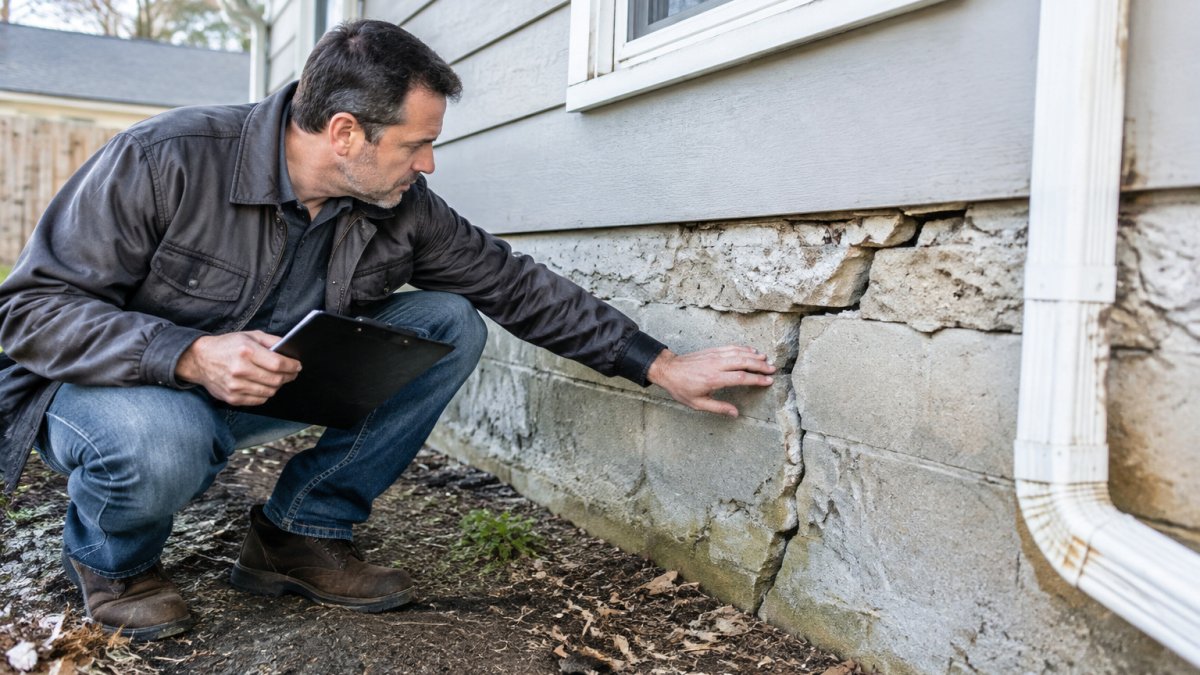
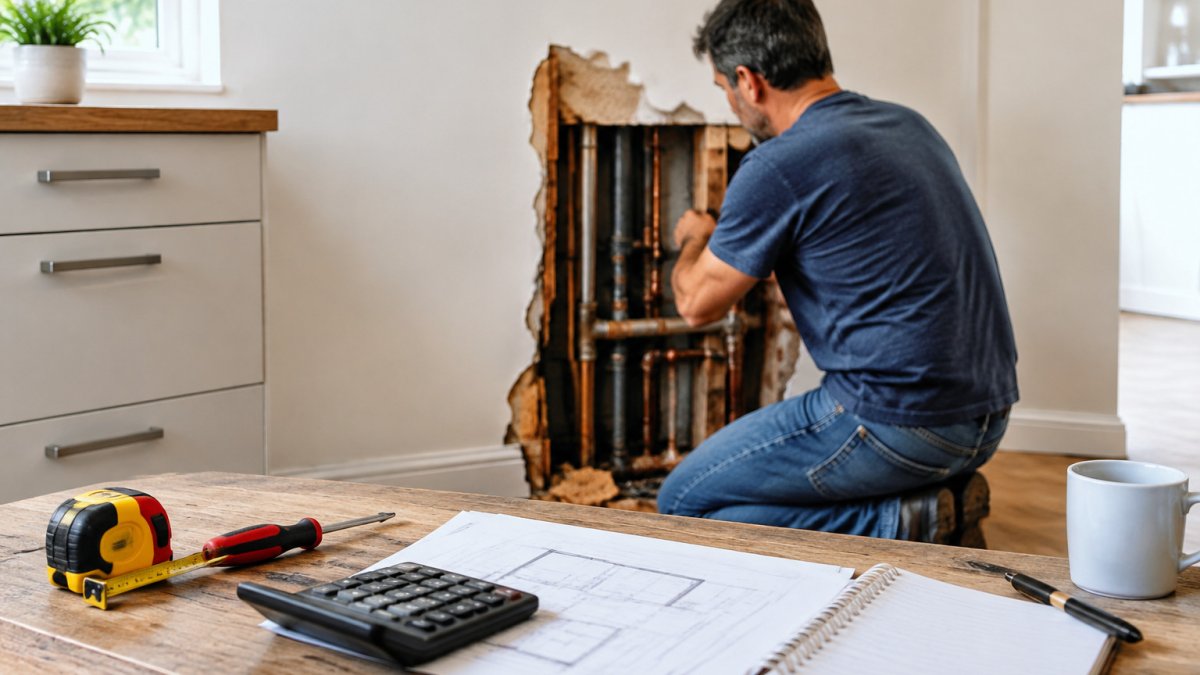
Sellers who list with an agent often face a long list of pre-sale work. Roof repairs, foundation issues, plumbing leaks, and outdated electrical systems can each add significant expense. Many sellers also budget for interior paint, flooring, and exterior maintenance to improve curb appeal.
The total can climb quickly. A few common categories to plan for include:
- Roof repairs: Patching leaks or replacing sections, often a major line item
- Plumbing and electrical: Fixing leaks, failing water heaters, and code issues
- Foundation and structural work: Often the most costly and hardest to estimate
- Cosmetic updates: Paint, flooring, and fixtures that help with listing appeal
- Exterior maintenance: Siding, gutters, and landscaping
Before you commit to any repair, get written contractor estimates. Estimates vary widely, so compare at least three bids.
Things to Fix Before Selling a House: Essential Repairs vs. Cosmetic Upgrades
Not every repair deserves your money. Essential repairs protect the sale. Cosmetic upgrades only sometimes pay off. Knowing the difference keeps your budget under control.
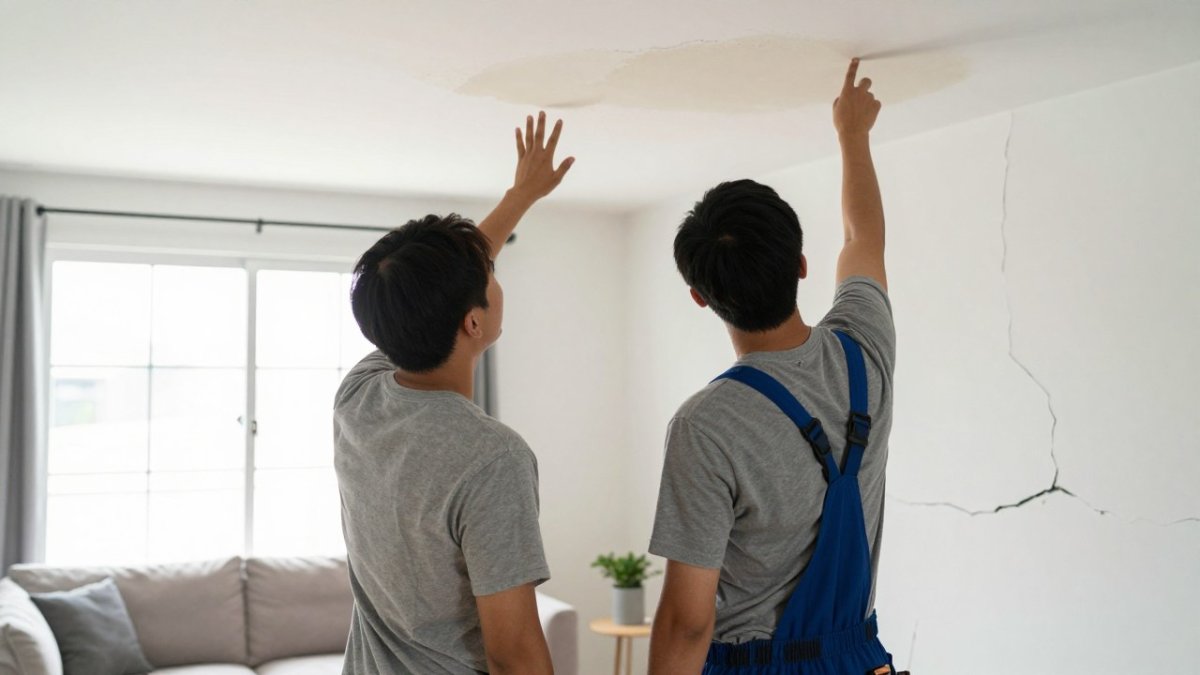
Essential repairs address problems that a buyer's home inspection will likely flag. These include active leaks, safety hazards, and systems that do not work. Buyers often request credits or walk away when these issues appear, so fixing them early tends to protect your price.
Cosmetic upgrades change how a home looks but not how it functions. Fresh neutral paint or updated light fixtures can help a home show well. Still, a buyer may prefer to choose finishes themselves.
Here is a simple way to sort your list:
- Fix first: Safety issues, leaks, failing systems, and anything an inspector will call out
- Consider: Paint, minor landscaping, and deep cleaning, which cost little and help listing photos
- Skip if tight on budget: Major upgrades like new countertops or full remodels
A common mistake is treating every flaw as urgent when planning home repairs before selling. Focus on what a buyer's inspector will find, not on every small imperfection.
What Not to Fix When Selling a House
Some repairs cost more than they return. Knowing what to leave alone can save thousands of dollars, but the decision is not as simple as 'skip the kitchen remodel.' The projects that most often lose money share a common trait: they are expensive, taste-driven, or overbuilt for the neighborhood.
Here is where sellers most commonly overspend, and why the math rarely works:
- Major kitchen and bathroom remodels. A full gut renovation can run well into five figures, and buyers frequently want to customize these spaces to their own taste. A fresh design may not match their preferences, so you absorb the cost without capturing the premium.
- Room additions and finished basements. Adding square footage sounds like it should raise the price, but appraisers value based on comparable sales in the area. If neighboring homes do not have the addition, the market may not pay for it. Permitting, structural work, and finishing costs are also high.
- Highly personal decor and specialty finishes. Bold wall colors, custom tile, and built-in features narrow your buyer pool. Neutral finishes appeal to more people, and buyers often redo personal touches anyway.
- Systems that work fine but are merely old. A functioning 15-year-old water heater is not a defect. Replacing working systems before listing rarely returns its cost, and an inspector will note age without necessarily flagging it as a repair item.
- Cosmetic upgrades buyers will redo. Carpet style, light fixtures, and paint color are cheap for a buyer to change. Spending on premium versions of these rarely pays back.
A useful filter is to ask whether the project is structural, safety-related, or cosmetic. Structural and safety items protect the sale because an inspector will flag them and buyers will negotiate. Cosmetic items are optional and should be judged by whether they help the home show well, not by whether they raise the appraisal.
Watch out: skipping a repair that an inspector will flag as a safety hazard, such as a failing electrical panel or an active leak, can cost you more in buyer credits than the repair itself. The 'do not fix' list applies to discretionary upgrades, not to defects that affect function or safety.
When you sell to a cash buyer, you can often skip these discretionary projects entirely, because the buyer takes the property in its current condition.
Is It Worth Remodeling a Kitchen Before Selling?
Kitchens draw strong attention from buyers, so many sellers wonder if a remodel pays off. The honest answer is that it depends on the scope and the local market, but the gap between a minor refresh and a full remodel is where most sellers misjudge the math.
A minor kitchen refresh typically involves painting or refacing cabinets, replacing hardware, updating light fixtures, and deep cleaning. These tasks are relatively inexpensive and can be completed in days. They improve listing photos and help the home show well without a large outlay. A clean, functional kitchen with neutral finishes often sells better than a dated one, even without new appliances.
A full kitchen remodel, new cabinets, counters, appliances, flooring, and layout changes, is a different category. Costs climb quickly, timelines stretch into weeks or months, and the return is not guaranteed. Buyers frequently want to customize the kitchen to their own taste, so a fresh design may not match their preferences. In many markets, the premium a remodeled kitchen commands does not fully offset the cost, especially if neighboring homes have older kitchens.
Use these questions to decide:
- Is the kitchen outdated or damaged, or just dated? Damaged cabinets, broken appliances, and non-functional layouts are problems buyers will price in. Merely dated finishes are cosmetic.
- Are buyers in your area expecting updated kitchens? In neighborhoods where comparable homes have been renovated, an outdated kitchen can slow a sale. In areas where most homes are original, a clean older kitchen is normal.
- Can you afford the project without borrowing? Financing a remodel to sell adds risk if the sale timeline slips.
- Will the remodel over-improve for the neighborhood? A high-end kitchen in a modest neighborhood rarely returns its cost, because appraisers value against comparable sales.
A practical middle path is to address function first and appearance second. Fix what does not work, a broken drawer, a leaking faucet, a non-working appliance, and refresh what shows poorly with paint and hardware. Leave the full remodel to the buyer who wants to choose their own finishes.
Think of a kitchen remodel as a choice, not a requirement. Many homes sell well with a clean, functional kitchen even if the finishes are older. The decision matrix in the next section can help you compare selling as-is against renovating first.
The As-Is vs. Renovated Decision Matrix
Choosing between selling as-is and renovating first comes down to a few factors. Use this matrix to compare your situation.
| Factor | Sell As-Is | Renovate First |
|---|---|---|
| Upfront cost | Minimal | Often several thousand dollars or more |
| Time to sell | Can be fast | Adds weeks or months |
| Sale price | Typically lower on the open market | Potentially higher, with no guarantee |
| Hassle level | Low | High |
| Best for | Distressed, inherited, or urgent sales | Homes in good shape with time to spare |
Renovating makes sense when the market is strong, your home needs only light work, and you can wait. Selling as-is fits best when time, money, or stress is the bigger concern.
DIY vs. Professional Contractor: Comparing the Real Cost
Some sellers try to save money by doing repairs themselves. This works for small tasks, but it can backfire on larger ones.
DIY repairs cost less in labor, but they carry risk. Poor workmanship can fail a home inspection, and some repairs require permits. Professional contractors cost more, but they usually deliver faster results and warranties.
Here is a quick comparison:
- DIY: Lower cost, flexible timing, risk of errors and failed inspections
- Professional: Higher cost, faster completion, documented work, and permits handled
A reasonable rule is to DIY cosmetic tasks like painting and yard cleanup. For a full picture of selling without paying realtor fees, read our FSBO guide to selling a house without realtor fees. Hire licensed professionals for electrical, plumbing, roofing, and structural work. Get at least three written estimates before you decide.
Can You Sell a House Without Making Repairs?
Yes, you can sell a house without making repairs. Many sellers do this, especially when they inherit a property, face foreclosure, or need to move quickly.
The main options include:
- Listing as-is on the open market, which may draw buyers who expect discounts
- Selling to a cash buyer who purchases the home in its current condition
- Working with an investor who handles repairs after closing
When you sell as-is, expect buyers to ask for lower offers to cover the work they will need to do. A cash sale often closes faster and avoids repair negotiations. Reka Buys Houses buys homes in any condition, so you do not have to make repairs, pay agent commissions, or wait months for a traditional sale. Learn what to expect in our guide on whether selling to a cash buyer is safe.
Read every offer carefully and ask questions about the closing timeline and any fees.
Choosing Your Next Step: Get a Cash Offer on Your Birmingham Home
If you own a home in Birmingham, Alabama, and want to sell without repairs, a cash offer can be a practical choice. Reka Buys Houses works with homeowners who face tight deadlines, inherited properties, and homes in rough shape. We buy houses in any condition, so you avoid repair costs and agent commissions. We offer a closing on your timeline, which can be useful if you are relocating or need to close quickly.
Compare your options, get a cash offer, and decide what works best for you. Get Your Offer
Frequently Asked Questions
How much should I spend on repairs before selling my house?
Spend only on repairs that affect safety, financing or the buyer's inspection, such as a leaking roof, failing HVAC, or electrical hazards. Many sellers keep pre-listing spending limited to a small share of the expected sale price, but the right number depends on your local market and the condition of the home. Get contractor estimates for the major items first, then compare each cost against how much it is likely to raise the final sale price. If a repair costs more than the value it adds, selling as-is or to a cash buyer may leave you with more money.
Which repairs are most important before selling a house?
Focus first on repairs that buyers and lenders check: roof leaks, foundation cracks that are actively growing, plumbing leaks, electrical hazards, failing water heaters and broken HVAC systems. These items often surface in a home inspection and can derail a deal or give the buyer room to negotiate a lower price. Cosmetic work such as fresh interior paint or minor landscaping can help with listing photos, but it rarely offsets major structural or system problems.
Is it worth remodeling a kitchen before selling?
A full kitchen remodel rarely returns its full cost at sale, and it often takes longer than a sale timeline allows. Smaller updates, such as cleaning or repainting cabinets, replacing outdated hardware and fixing broken fixtures, usually cost far less and make the kitchen look cared for. Compare the expected cost of any project with comparable sales in your area before you commit, since local buyer expectations vary widely.
Can I sell my house even if it needs repairs?
Yes. Homes in poor condition can be sold as-is, meaning the seller does not make repairs and the buyer accepts the property in its current state. You can also sell to a cash buyer who handles repairs after closing, which removes the need for you to pay for work or wait for contractors. Expect offers to reflect the cost and risk of repairs, so compare that net amount against what you would keep after repairs, agent commissions and closing costs.